Most people over forty hear the word perm and picture one thing: tight, frizzy curls, a strong chemical smell, and hair that felt like straw for months. That perm existed, and it earned its reputation. Modern texture services in Forest City share the basic idea — reshaping hair around rods and setting the new pattern chemically — but the rods, the solutions, the sizing, and the aftercare have all changed enough that the results look like a different service.
This is a how-to in the practical sense: what you can control before and after the appointment, what happens during it, and where the professional line sits, because a perm is one service you should not be improvising at home.
What is genuinely different now
Rod size is the biggest change. Older perms leaned on small rods that produced tight, uniform curls. Modern texture work uses a range of larger rods and varied placement to create loose waves, soft body, or defined curl where the client wants it, the beach-wave and body-wave looks are perms, just built differently. Stylists also wrap with intention, mixing sizes to imitate the way natural curl is never perfectly uniform.
Solutions have changed too. Many modern formulas are gentler, some are designed for color-treated or finer hair, and processing is monitored rather than simply timed. Digital and heat-assisted texture systems exist as well, using controlled warmth to set looser shapes. None of this makes a perm chemical-free, it is still a chemical restructuring of the hair, but it makes the damage-for-result trade far more reasonable than the 1980s version.
The parts you handle, step by step
- Start with an honest consultation. Bring photos of the texture you want, and disclose your full chemical history. Hair that has been bleached, relaxed, or heavily colored may not be a candidate, and a stylist needs to know before rods go in.
- Get the cut shaped for texture. Layers and length behave differently once curl is added, because curled hair appears shorter. A trim and shape planned for the finished texture prevents the too-short surprise.
- Arrive with hair in its normal condition. Do not deep-condition heavily right before unless your stylist advises it, and do not clarify aggressively at home. Let the salon assess and prepare the hair as part of the service.
- Protect the first two days afterward. Do not wash, soak, or pull the hair tight for about 48 hours unless your stylist gives different instructions. The new pattern is still settling, and water and tension are the two things that relax it fastest.
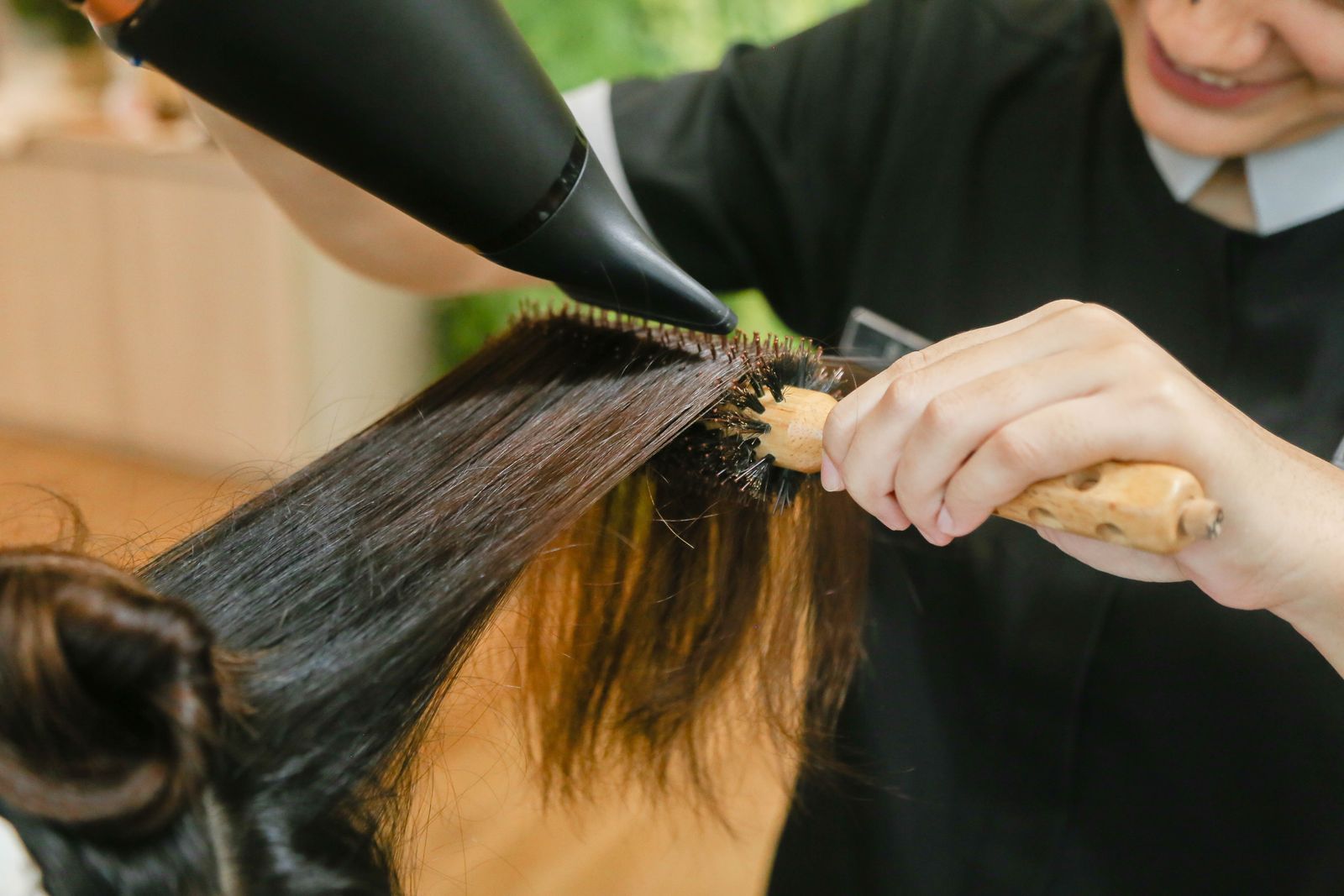
- Switch how you wash and style. Use gentle shampoo, condition generously, and handle the hair by scrunching rather than brushing dry. A diffuser on low heat or air-drying preserves the pattern; vigorous towel drying roughs it into frizz.
- Moisturize and go easy on heat. Permed hair is drier by nature now. Regular conditioning, occasional deep conditioning, and limited flat-iron use keep it feeling like hair instead of reverting to that old straw texture.
What happens in the chair
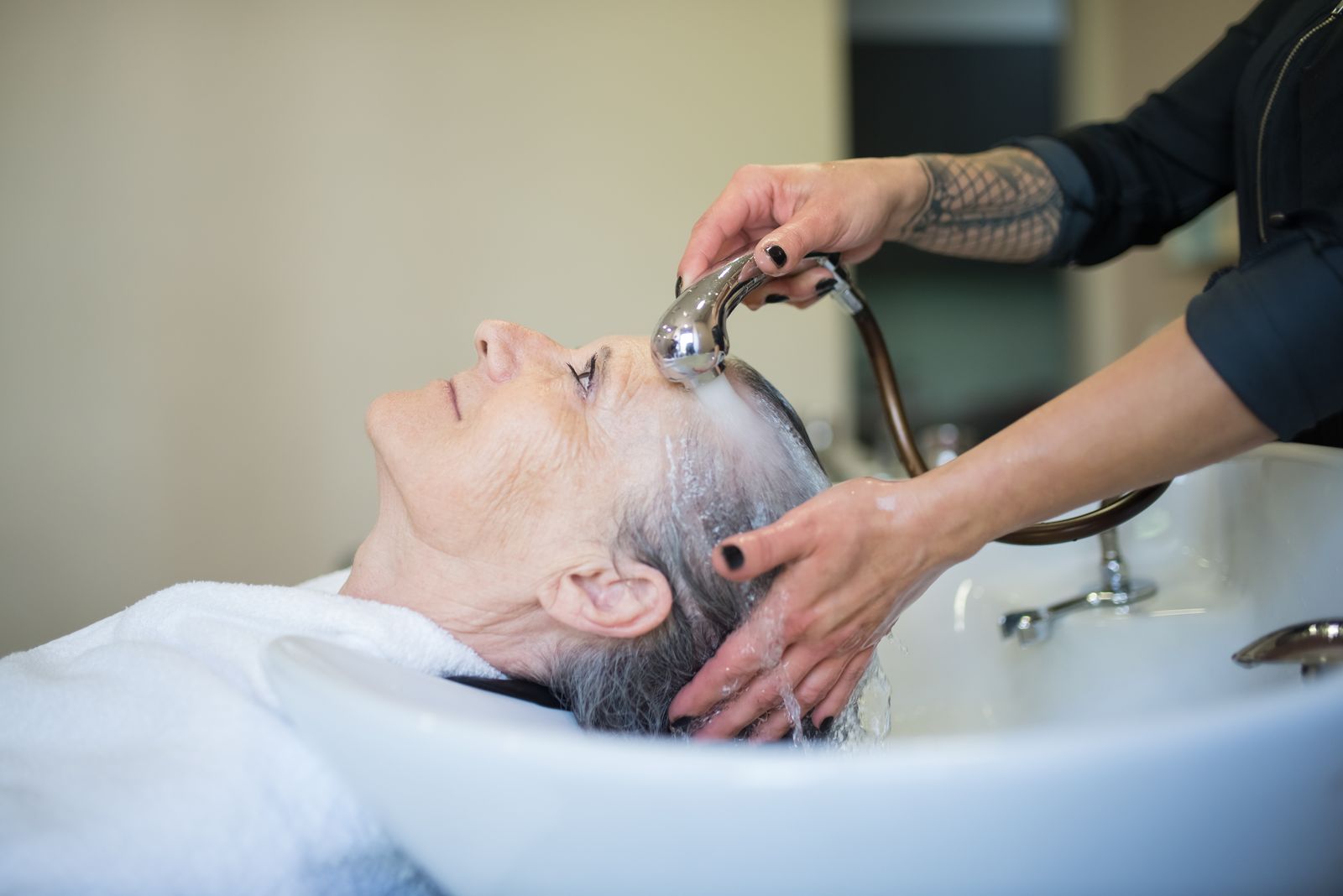
The stylist washes the hair, sections it, and wraps each section on rods chosen for your target pattern. Solution is applied to soften and break the hair's internal bonds so it takes the rod's shape, then the hair is rinsed, blotted, and neutralized, which locks the new shape in. Rods come out, the hair is rinsed and conditioned, and the stylist shows you how the pattern behaves as it dries. The appointment is longer than a cut, wrapping a full head carefully takes real time, and it should not be rushed.
Where the professional line is
Choosing the formula, judging whether your hair can take the process, setting processing time, and neutralizing correctly are professional work. So is the strand test that should precede a perm on questionable hair. At home, your job is narrower and important: aftercare, moisture, gentle handling, and patience in the first two days. At Family Salon and Spa, a consultation comes first for exactly this reason, texture services reward planning and punish guessing.
One more modern note: a perm grows out, it does not wash out. Over the following months the pattern loosens and the new growth comes in with your natural texture. Most clients refresh a perm a few times a year at most, with trims in between to keep the shape working as the curl softens.
Common questions
How long does a modern perm last?
Typically several months, loosening gradually as it grows out. Looser wave patterns soften sooner than tighter curls, and aftercare in the first 48 hours matters a great deal.
Can I perm color-treated hair?
Sometimes, with gentler formulas and a strand test, but bleached or heavily processed hair is often not a candidate. The consultation and test decide, not optimism.
When can I wash my hair after a perm?
Wait about 48 hours unless your stylist instructs otherwise. Avoid soaking, tight ponytails, and pulling the hair straight during that window as well.
Photos in this guide are representative stock images.
← All guides from Family Salon and Spa← Back to Family Salon and Spa