A keratin or smoothing treatment does not straighten hair the way a relaxer does. It coats and fills the hair shaft so the surface lies smoother, dries faster, and resists the frizz that Forest City humidity produces like clockwork every summer. Done well, your natural pattern is still there — just calmer, softer, and much quicker to style. Done without proper aftercare, the result fades in weeks and the treatment gets blamed.
This piece works as a checklist: how the treatment functions, what to verify before and after, and the pass-or-fail signs that tell you whether your aftercare is protecting the result or quietly washing it away.
What the treatment does to the hair
Hair is made largely of keratin, a protein, and damaged or porous hair has gaps and lifted cuticle layers along the shaft. Smoothing treatments deposit keratin-derived proteins and conditioning agents into and onto those weak spots, then heat seals them in with a flat iron passed carefully over small sections. The sealed surface reflects light better, which is why treated hair looks shinier, and it absorbs less moisture from humid air, which is why it frizzes less.
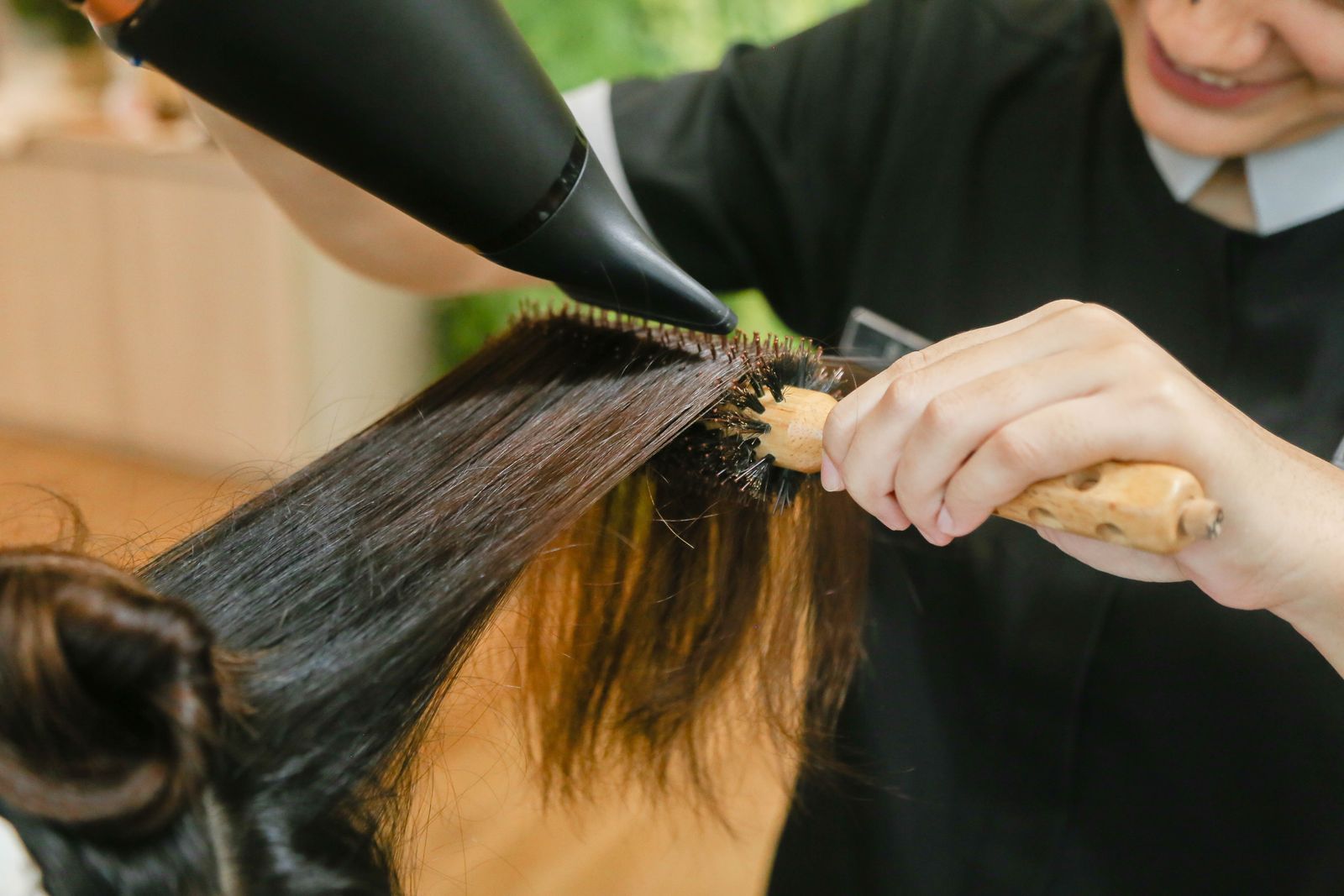
The effect is temporary and cumulative in a modest way. It wears off gradually over a few months as washing slowly removes the coating, rather than growing out with a hard line the way a relaxer does. That gradual fade is a feature: there is no obvious regrowth stage, but there is a steady need for the right washing habits if you want the full lifespan.
The keratin checklist
Before, during, and after a smoothing treatment
- Chemical history disclosed: Pass if you have told the stylist about color, bleach, relaxers, and perms, since treated and fragile hair may need a gentler formula or a strand test. Fail if the first the stylist hears of bleach is during the service.
- Wash rules understood: Pass if you know your specific wait time before the first wash, which varies by product from immediate to a few days. Fail if you are guessing from a friend's treatment — follow your product's instructions, not theirs.
- Sulfate-free shampoo at home: Pass if your regular shampoo is sulfate-free, since strong detergents strip the coating faster than anything else. Fail if you plan to go back to a harsh clarifying shampoo weekly.
- Chlorine and salt water managed: Pass if you wet hair with clean water and condition it before swimming, and rinse after. Fail if treated hair soaks in pool water unprotected all summer, chlorine shortens the treatment's life noticeably.
- Heat styling reduced: Pass if drying time drops and you lower your iron use, since the point of the treatment is needing less heat. Fail if daily high-heat ironing continues, which wears both the coating and the hair.
- Color timing planned: Pass if color is scheduled as your stylist advises relative to the treatment, since doing both without a plan can shorten the life of either. Fail if a box dye goes on the following weekend on impulse.
What aftercare looks like week to week
Wash less often than you did before, with lukewarm water and a gentle, sulfate-free shampoo worked mainly into the scalp. Condition every wash. When you blow-dry, a quick pass with a brush is usually enough now, most clients notice drying time drops noticeably, which is one of the treatment's main practical benefits in a busy week.
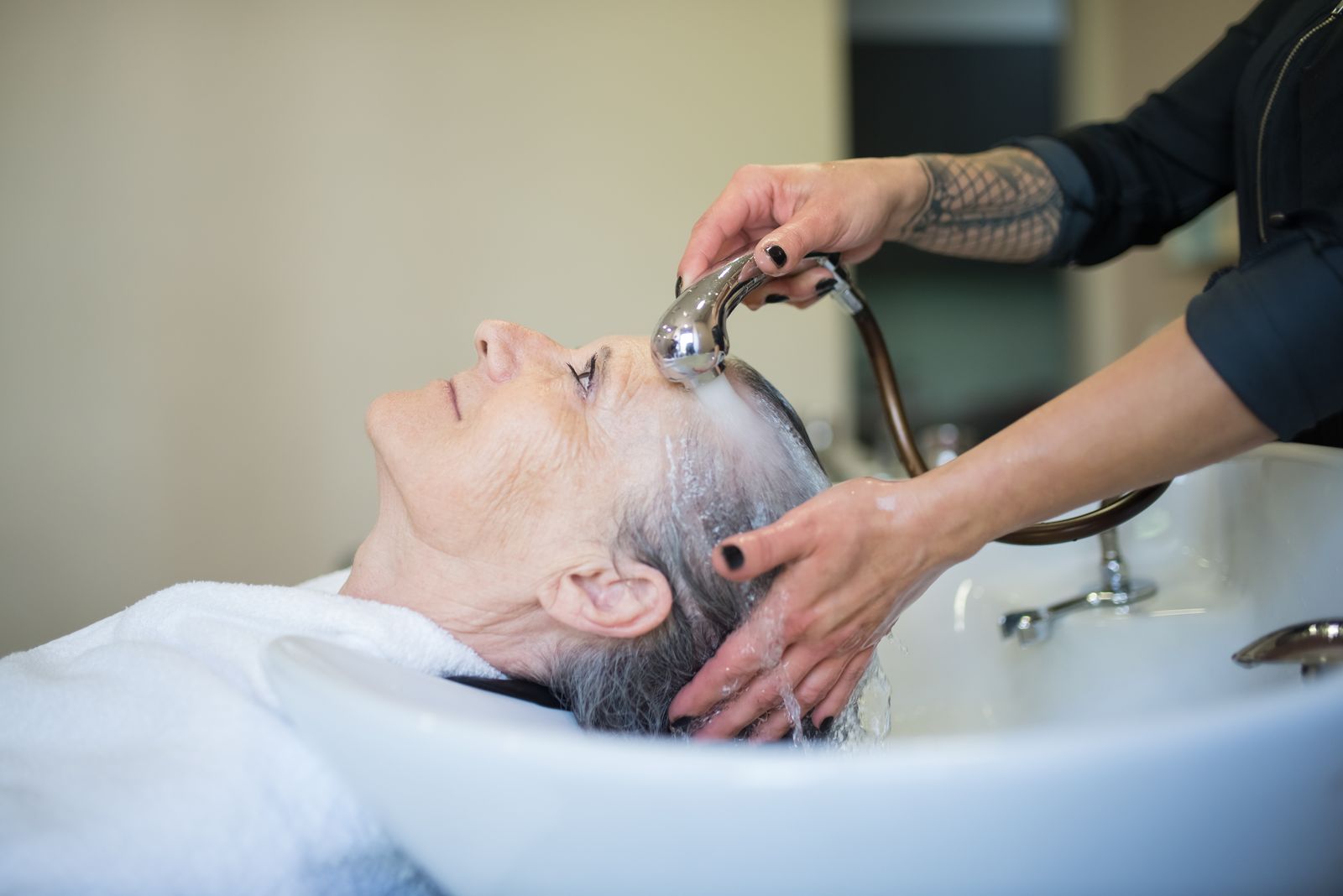
In summer, plan around water. Forest City summers are humid, and afternoons at the pool are hard on any treatment. Wetting the hair with clean water before swimming fills the shaft so it absorbs less chlorinated water, and a leave-in conditioner adds a barrier. Rinse afterward. It takes two minutes and can be the difference between a treatment that lasts the season and one that fades by midsummer.
Who it suits, and who should pause
Smoothing treatments suit frizzy, wavy, and curly hair that the owner wants to keep, just easier, not people seeking permanently straight hair, who will be disappointed by design. Very fine hair can be weighed down by some formulas, and heavily bleached hair needs a careful assessment first. A consultation at Family Salon and Spa sorts out formula choice and timing, including whether a conditioning treatment is the better first step for damaged hair.
Common questions
How long does a keratin treatment last?
Typically a few months, fading gradually with washing rather than growing out with a line. Sulfate-free shampoo and limited chlorine exposure help it reach its full lifespan.
Will it make my curly hair completely straight?
No. It smooths and loosens the pattern and cuts frizz and drying time, but your curl remains. Permanent straightening is a different service with different trade-offs.
When can I wash or tie my hair up after treatment?
It depends on the specific product, from right away to a waiting period of a few days. Follow the instructions given at your appointment rather than general advice.
Photos in this guide are representative stock images.
← All guides from Family Salon and Spa← Back to Family Salon and Spa